
Featured Posts


Impact of AI 08 - Everything Leads Back to Judgement
The most valuable capability in an AI-rich world is not access to knowledge, but the ability to develop and exercise judgement.
Mentors, coaches, communities and orchestrated agents are all different mechanisms for building judgement, trust and capability at scale.
Impact of AI 07 - Where does judgement come from?
Where does judgement actually come from? A look at the industry's answer — the Forward Deployed Engineer — and why buying judgement doesn't mean owning it.
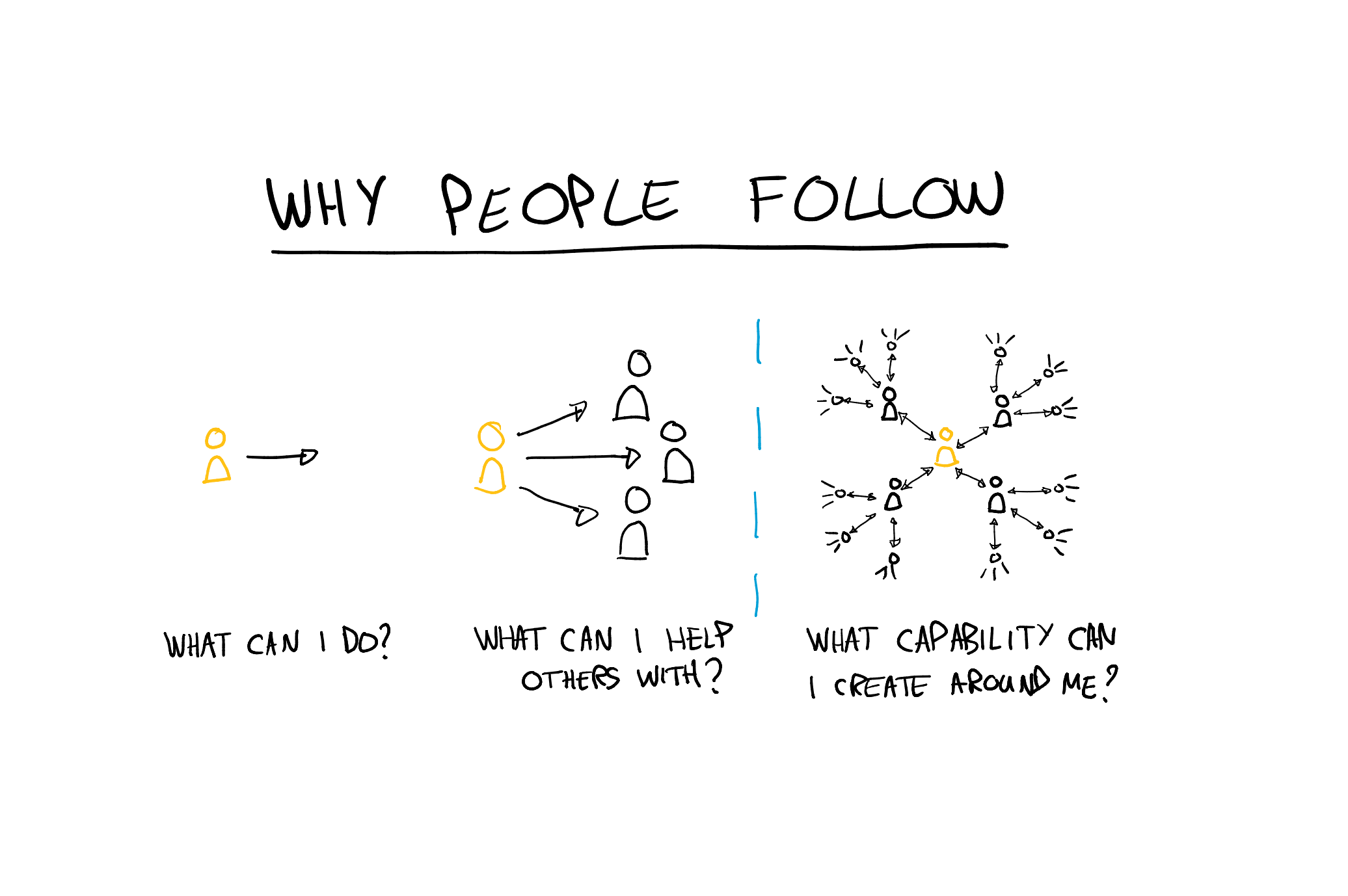
Impact of AI 06: Why People Follow
Why People Follow explores how leadership is not simply a title or position, but the ability to create direction, confidence and capability around others. As AI accelerates individual capability, the article asks whether organisations are being equally deliberate about developing the credibility, trust and human experience needed for people to lead, influence and help others succeed.
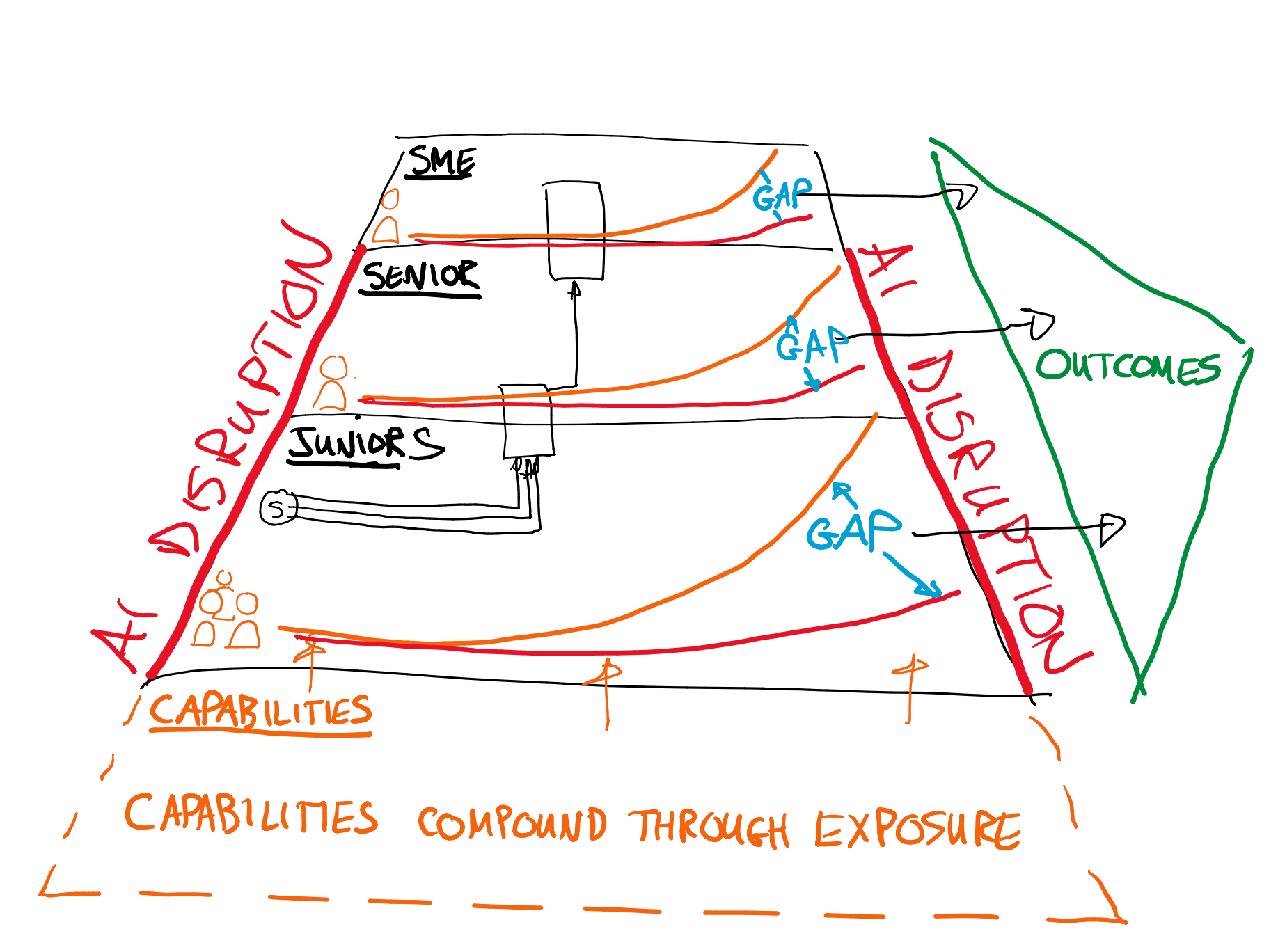
Impact of AI 05: Capability Compounds Through Exposure
Capability develops through practice, but judgement develops through exposure. As AI accelerates some forms of capability development, are we creating future leaders and trusted advisors at the same rate? This article explores how capability compounds over time, and why broad exposure to people, contexts and problems may matter more than ever.
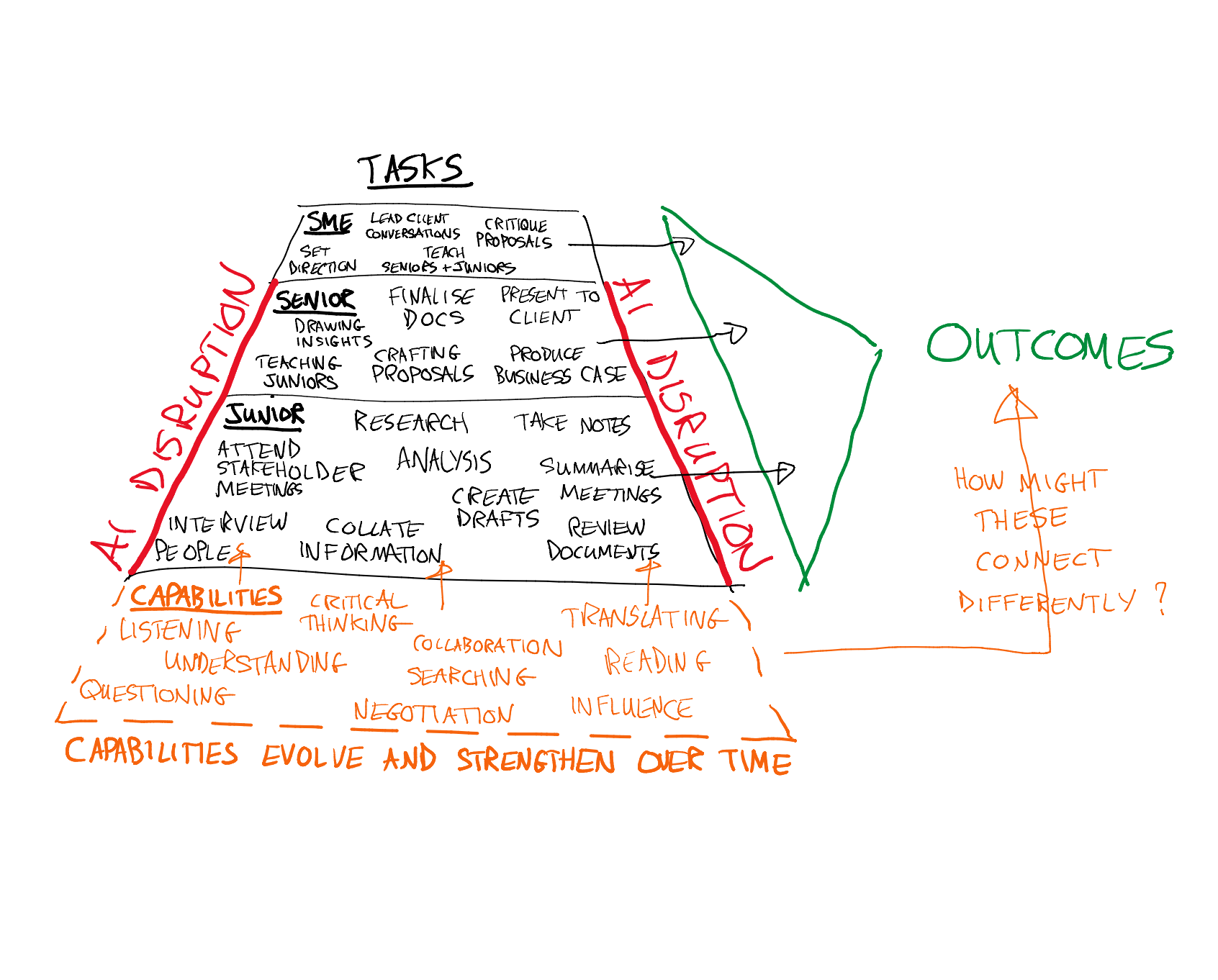
Impact of AI 04: The Hidden Curriculum
Professional development often happens beneath the visible work people perform. Beneath the task layer sits a less visible capability layer. This post challenges the assumption that tasks are the most important part of work and argues that organisations should focus on preserving and intentionally developing the underlying capabilities as AI changes how work is performed.
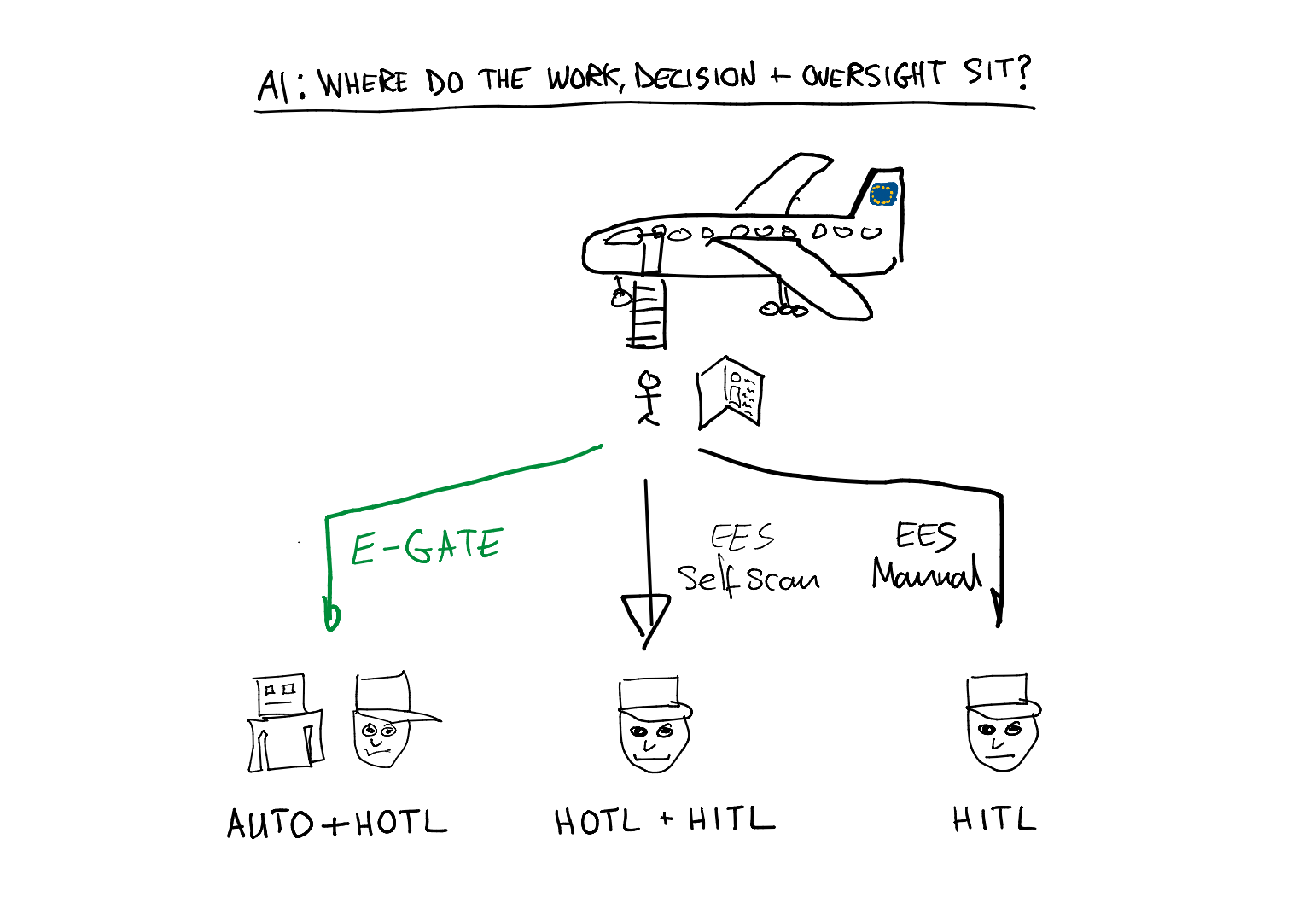
What Border Control Taught Me About AI Agent Controls
A reflection on how airport border control provides a surprisingly useful analogy for AI agent governance, helping separate the work, the decision and the oversight in practical control design.
Impact of AI 03: The Capability Factory
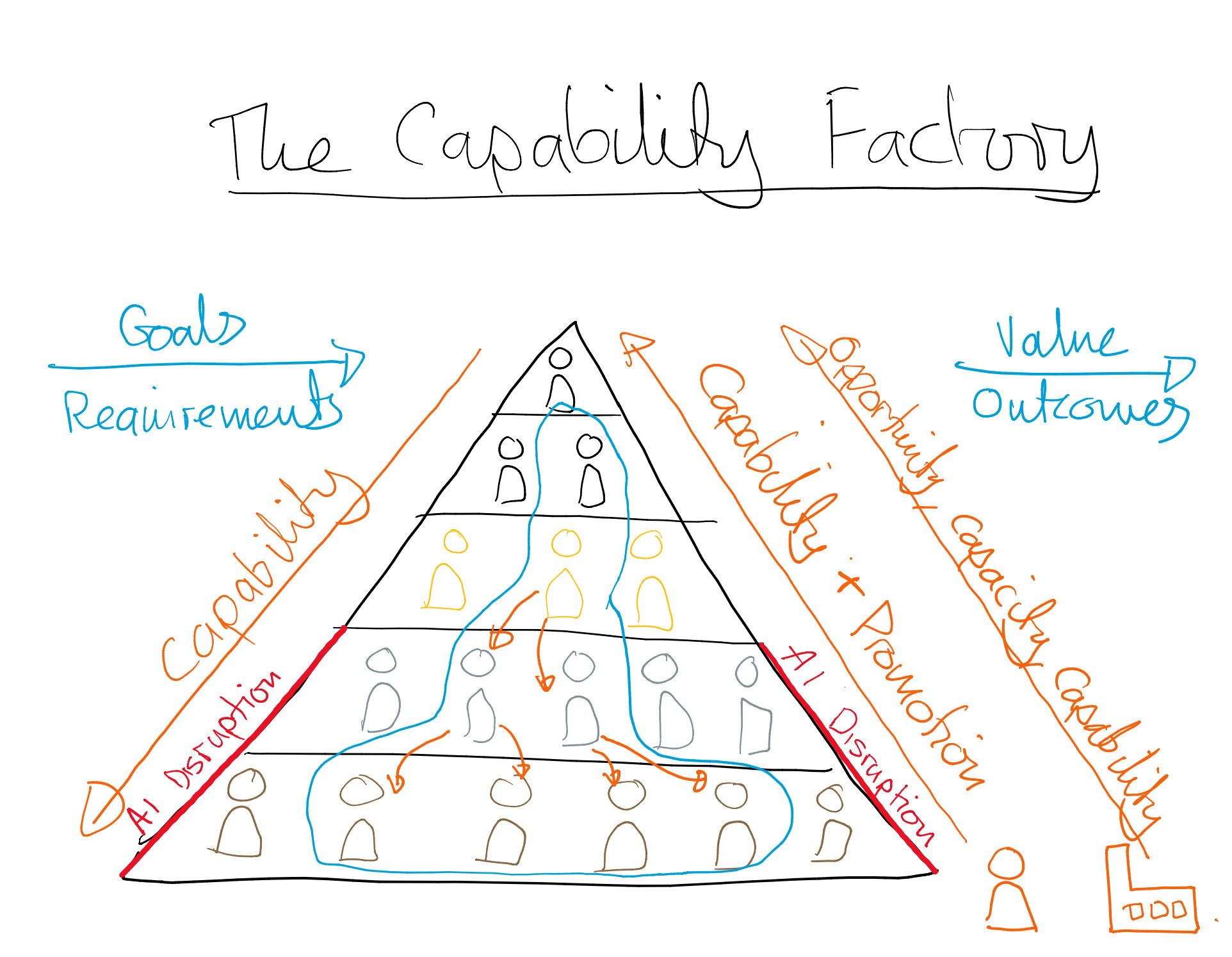
The Capability Factory illustrates how organisations create future expertise, experience and judgement through work. AI is beginning to disrupt many of the lower-level activities that have traditionally formed part of this development journey, raising the question of how organisations will continue to create expertise if the work people learn from changes significantly.
Impact of AI 02: Maybe wisdom isn't one thing…?
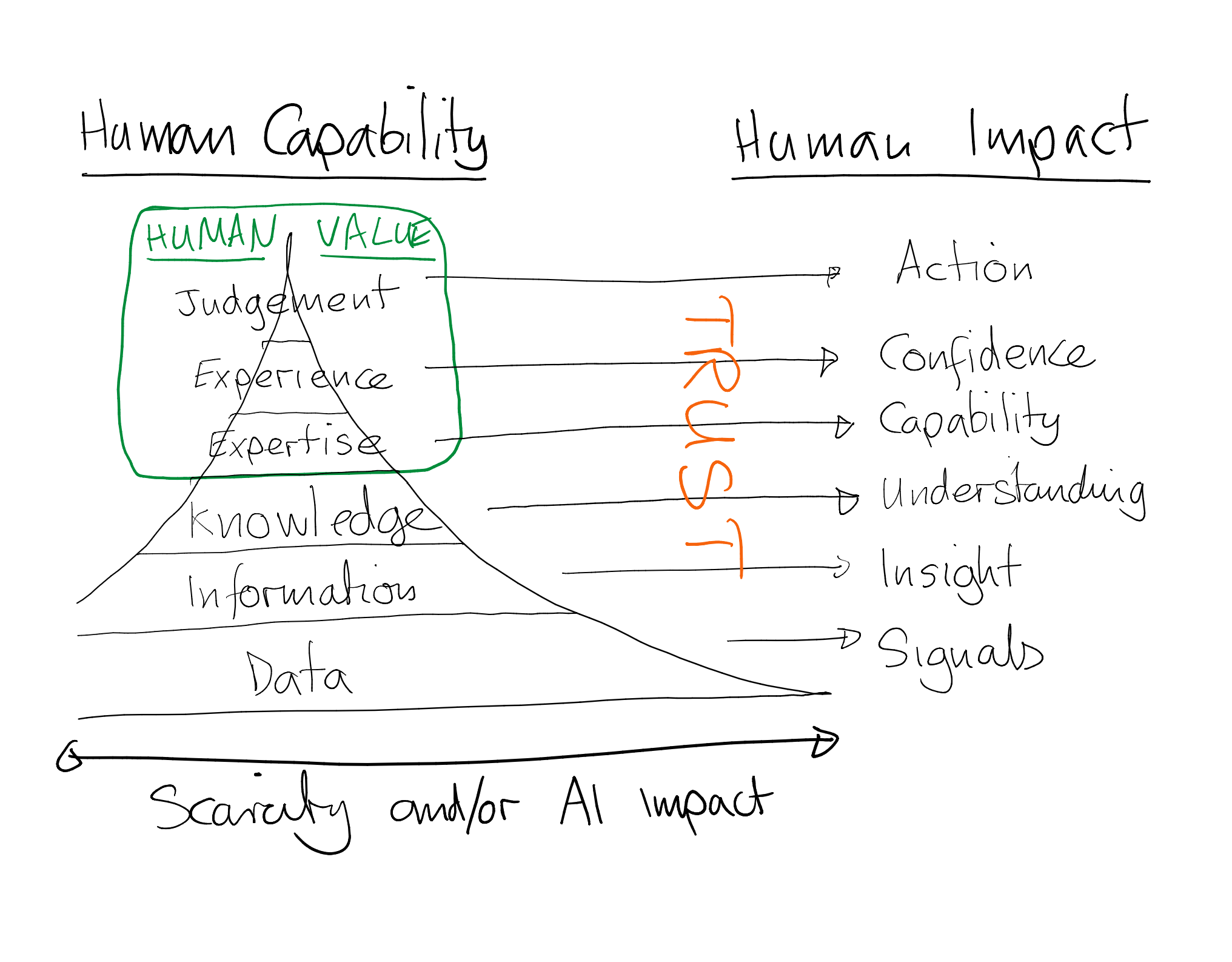
In What If Knowledge Was Free? I explored the idea that AI may be dramatically changing the economics of knowledge. The article was really a thought experiment. If knowledge becomes increasingly abundant, where does value move? If organisations no longer need to pay primarily for access to knowledge, what are they actually paying for?
Impact of AI 01: What if knowledge was free?
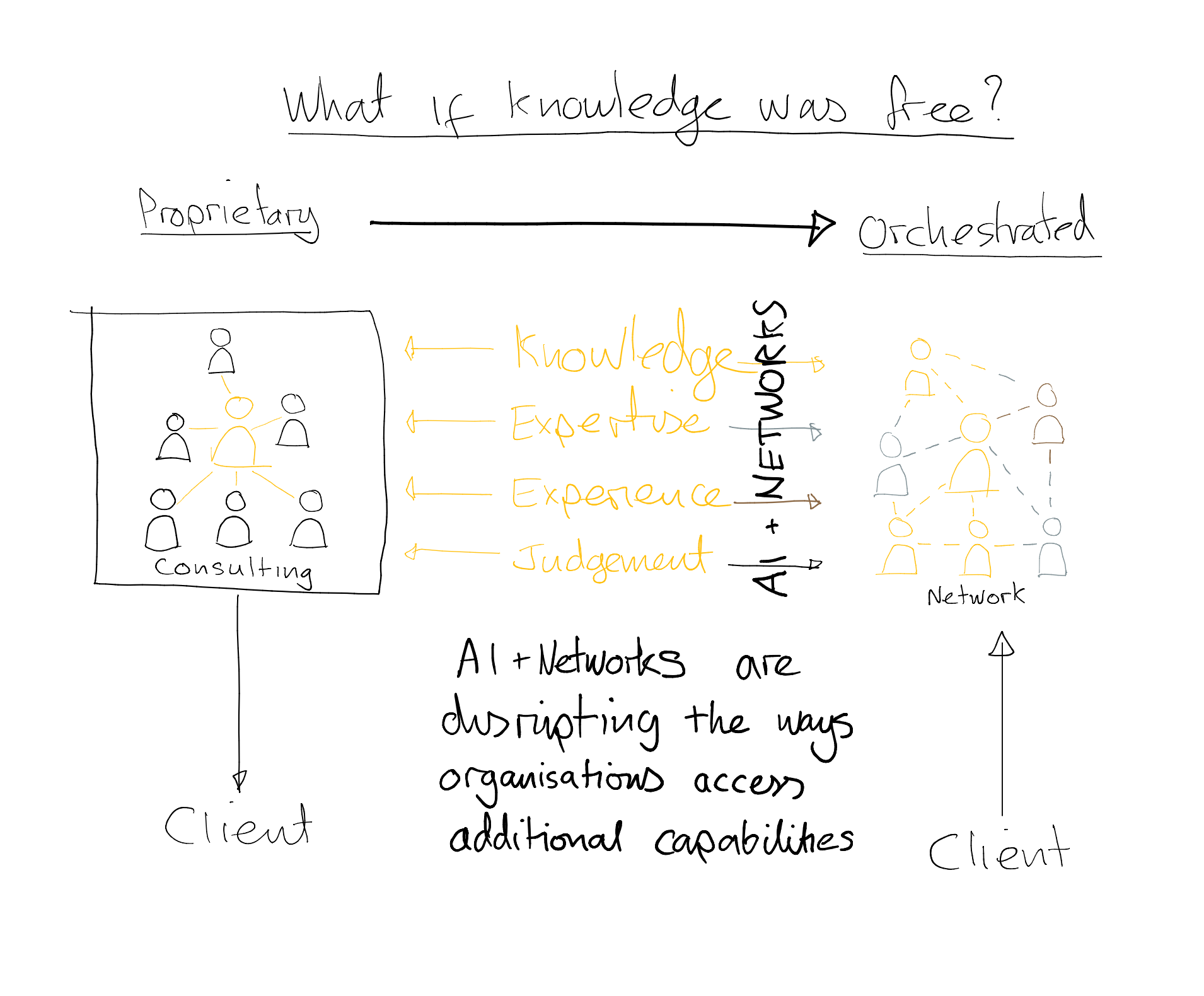
This blog explores how AI and networks may be changing the way organisations access external capability. As AI makes knowledge more accessible and networks make expertise and experience easier to share, organisations may increasingly gain access to capability through connected ecosystems rather than traditional proprietary models. The diagram poses a simple question: What if knowledge was free? and explores the potential shift from ownership to access.
Why Most Organisations Get Stuck Between AI Adoption and Transformation
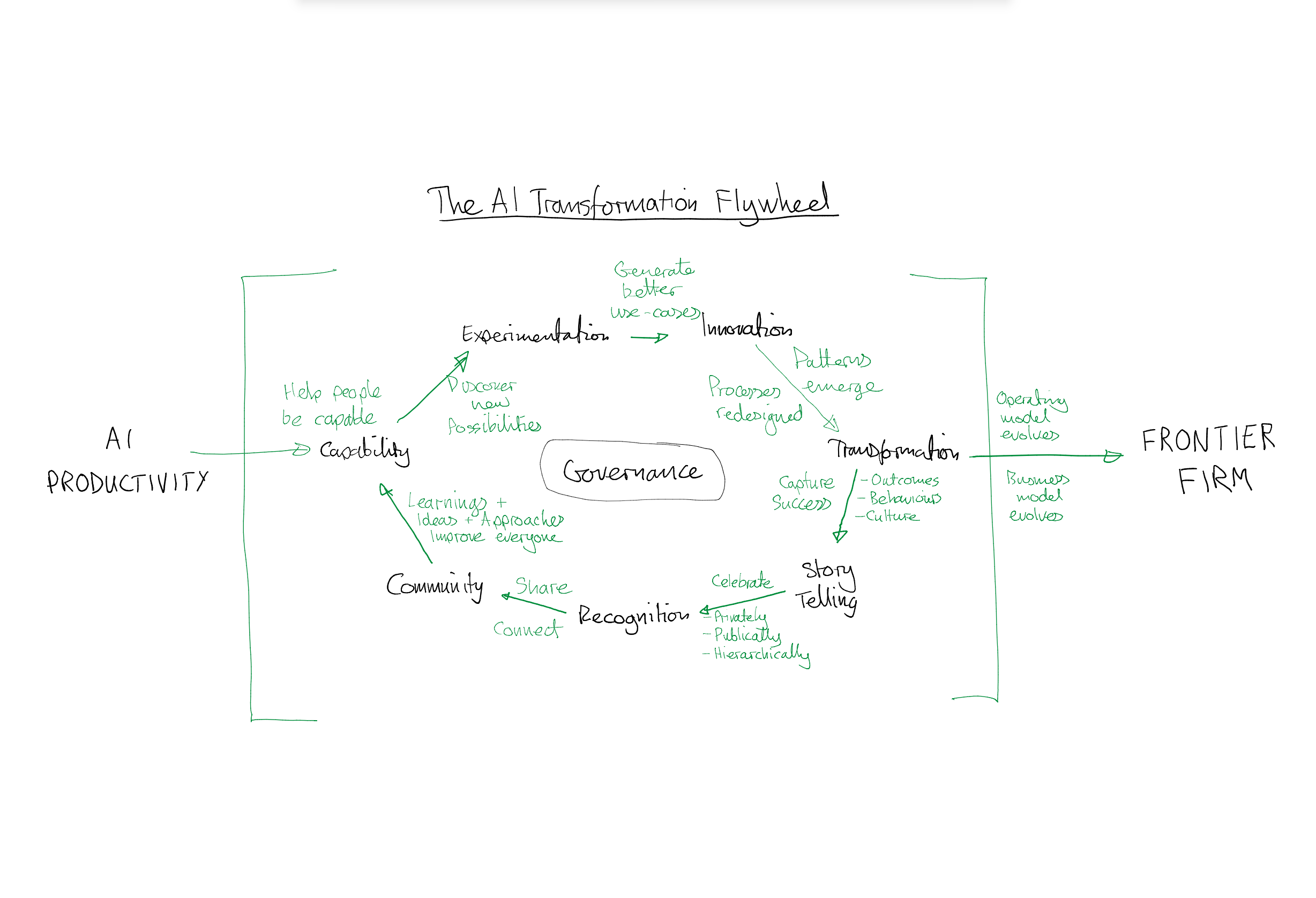
Most organisations treat AI productivity, experimentation and transformation as separate strategies. I believe they're different stages of the same journey, and the organisations making the leap are the ones that find a way to bridge the Missing Middle between them.
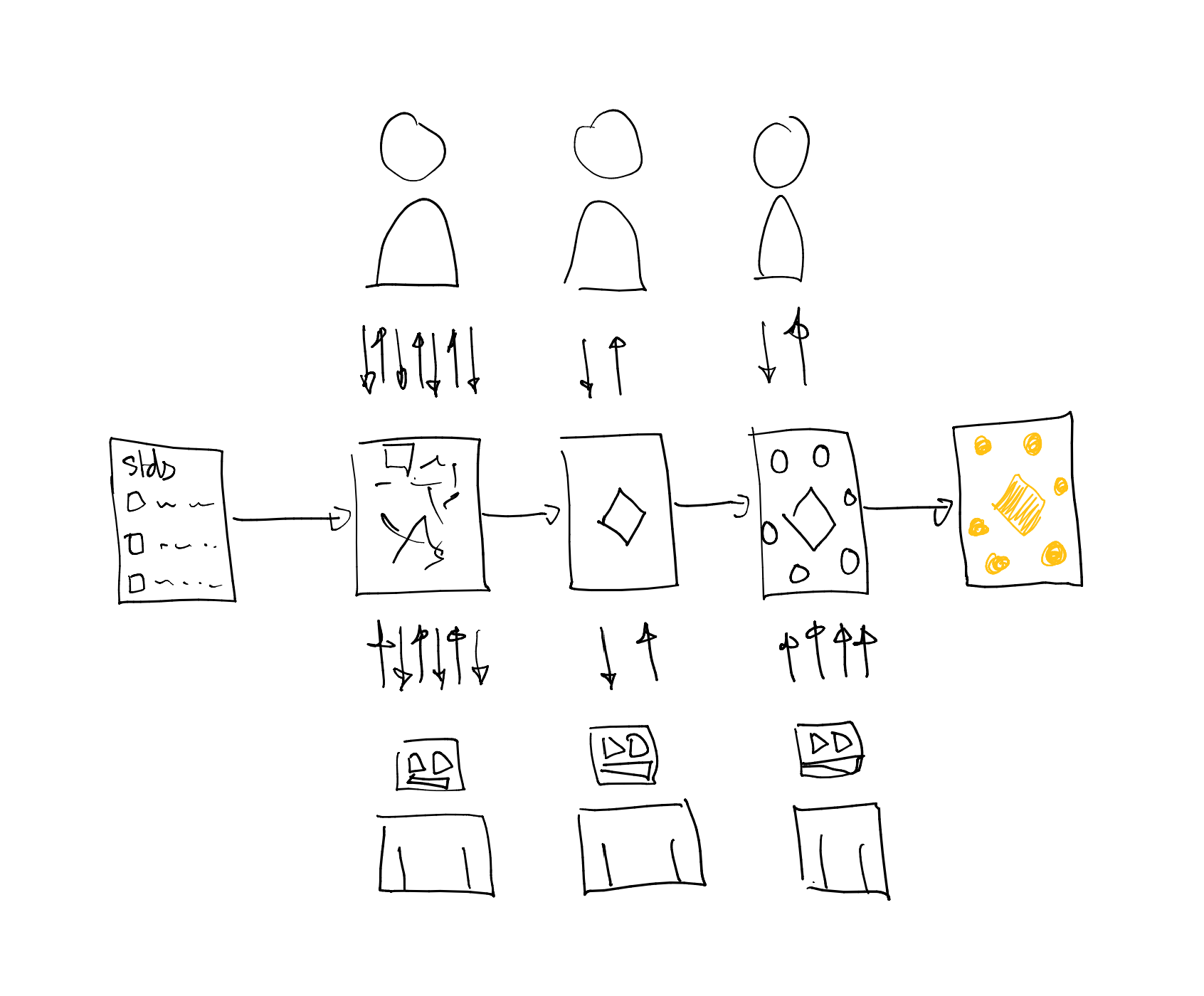
The Governed AI Factory
How I built a 200-asset AI-governance programme with Microsoft Cowork in a single month, and what it taught me. This field report covers the architecture and workflows that made it possible, the real numbers (quality, cost, and how it stacks up against a two-to-three person-year traditional build), the human craft AI can't replace, an honest log of what broke, and where I think Microsoft should take the platform next.
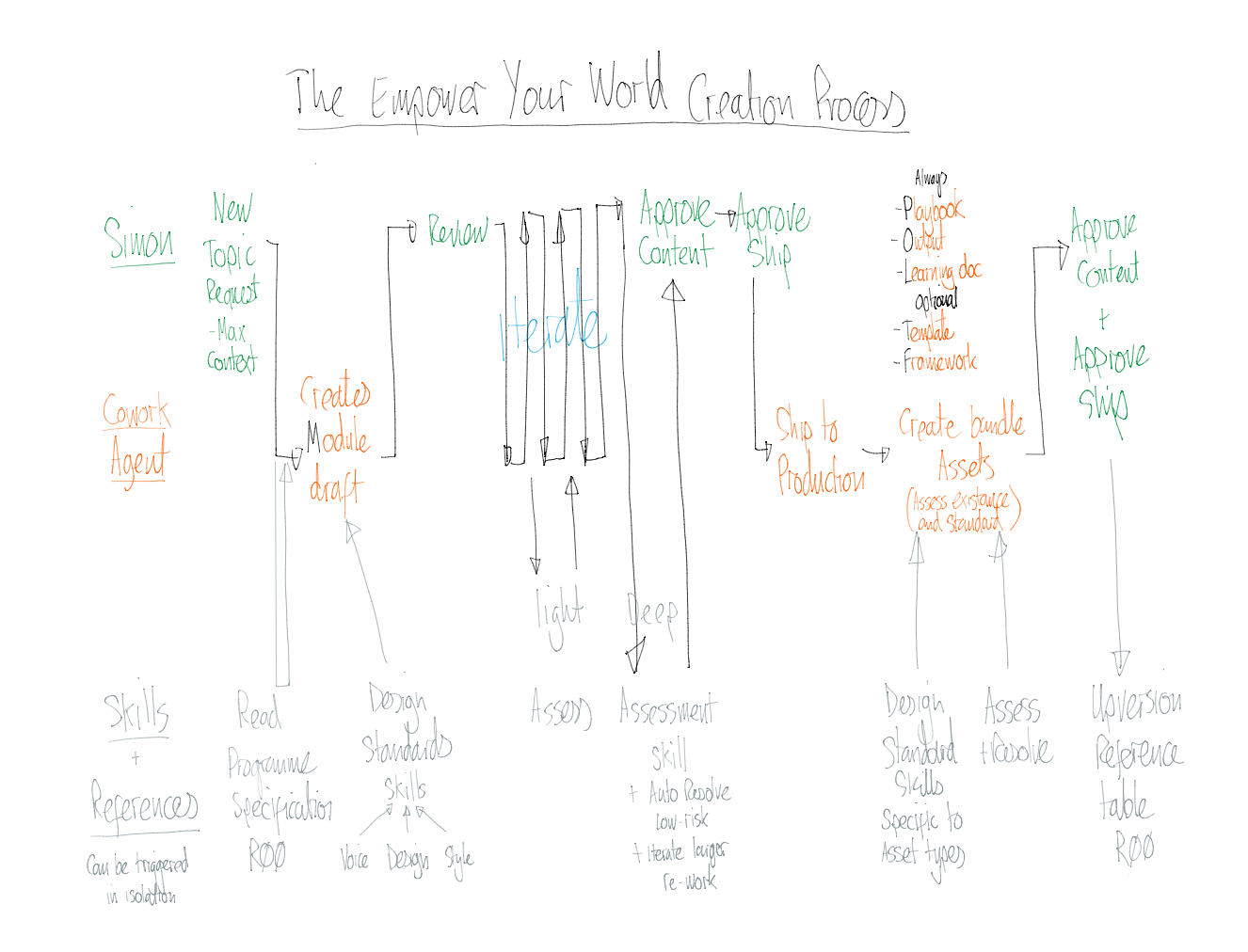
Cowork = My Collaborative Worker
Cowork is MINDBLOWING but there are some risks! I’ve been experimenting with how I can use it to transform an end to end process to aid me develop the Empower Your World structure and content using Reference guardrails, Skills, and collaborating with it - This is about the Why, what and how…
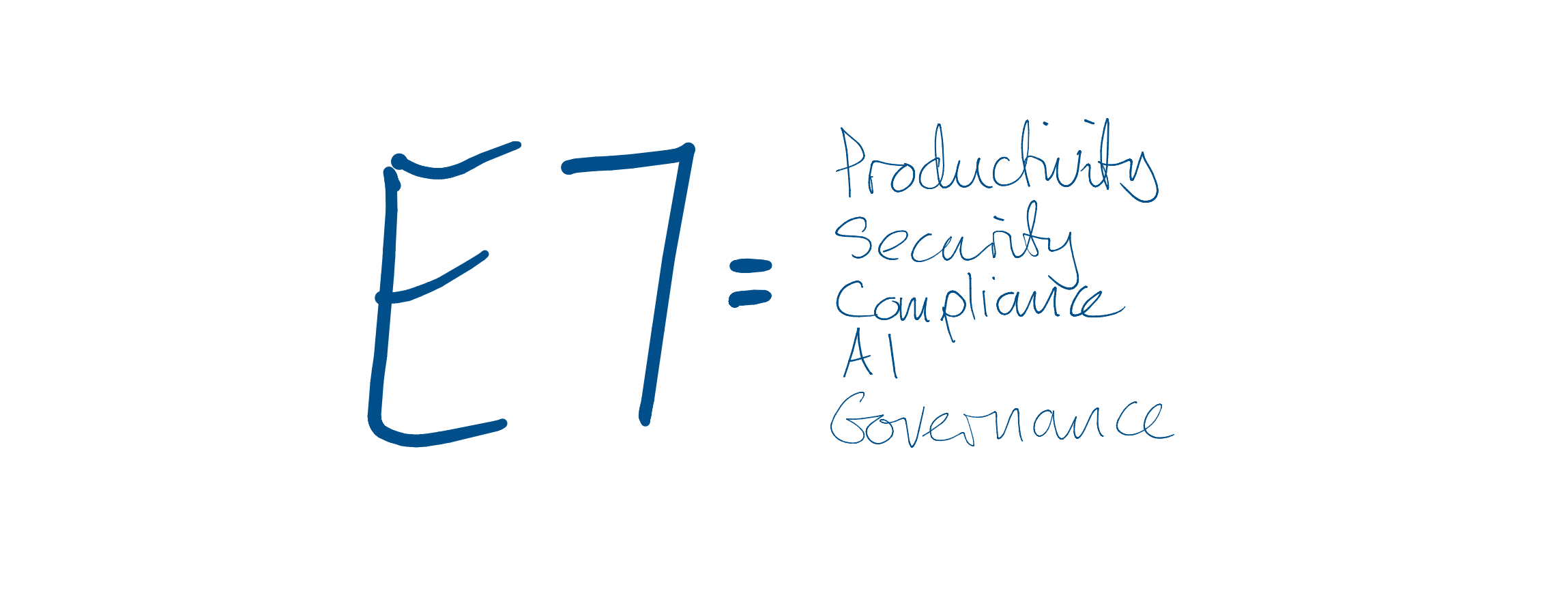
E7 Licence in real life
Microsoft licensing pages are marketing — until you've actually switched a licence on in your own tenant and used it for real, you don't actually know what it does.
In March 2026 Microsoft a new enterprise license - the E7 license - It reached ‘General Availability’ GA for organisations to buy and use on the 1st May… But what is it? What does it do? Who actually has it and has used it…. Me!
Come with me and learn with me through hands on configuration and experimentation!
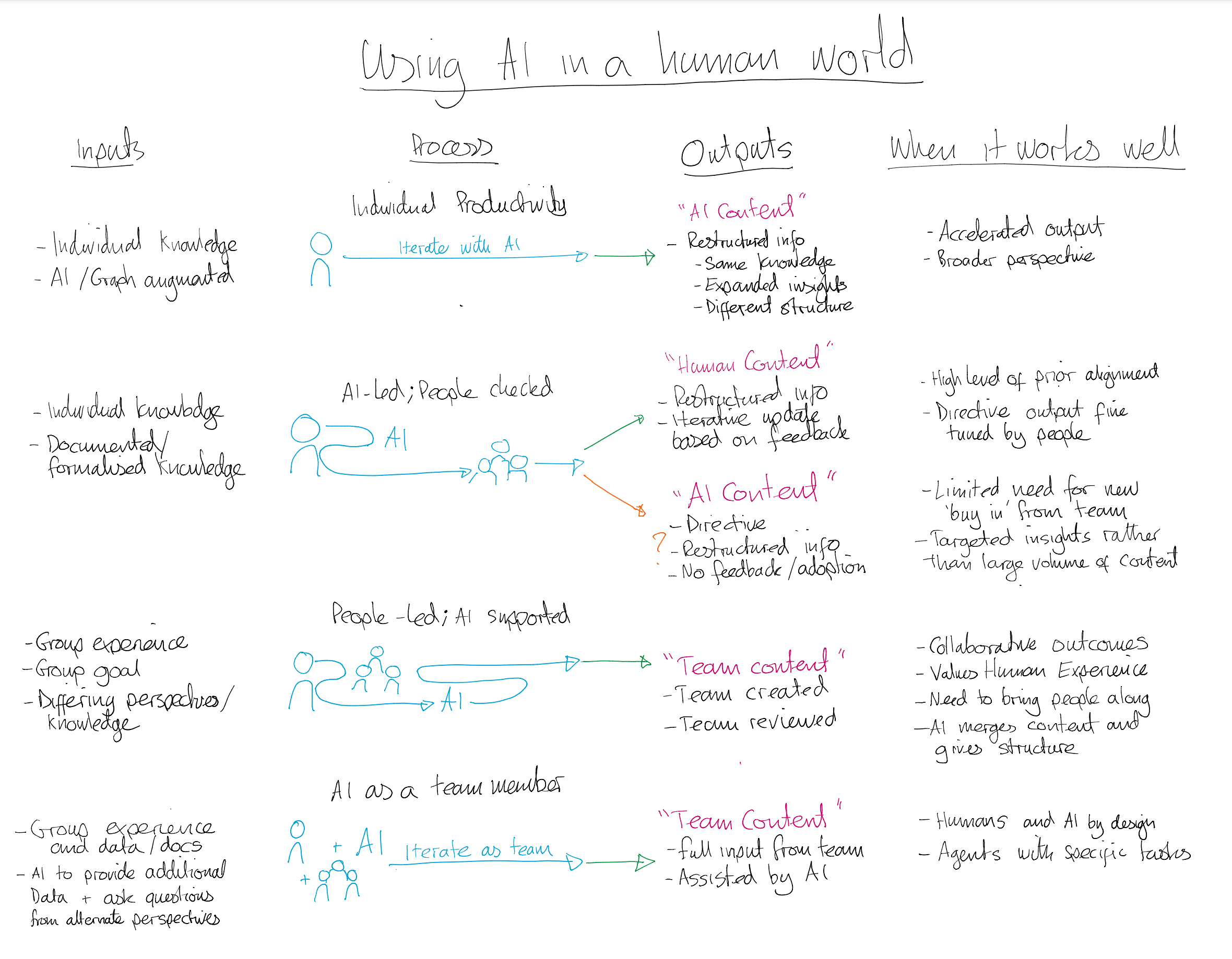
AI in a Human World
When rolling out AI we need to establish the right mindsets to be effective but also to ensure we’re maximising the value of people as well as of AI. Just because we CAN use AI for almost all use cases doesn’t mean that we SHOULD!
This post explores this concept through 4 patterns, and defines a Human Advantage Framework to give a way of looking at how humans + AI sit on a range of Assist through Enhance & Amplify, to Substitute and Dependence.
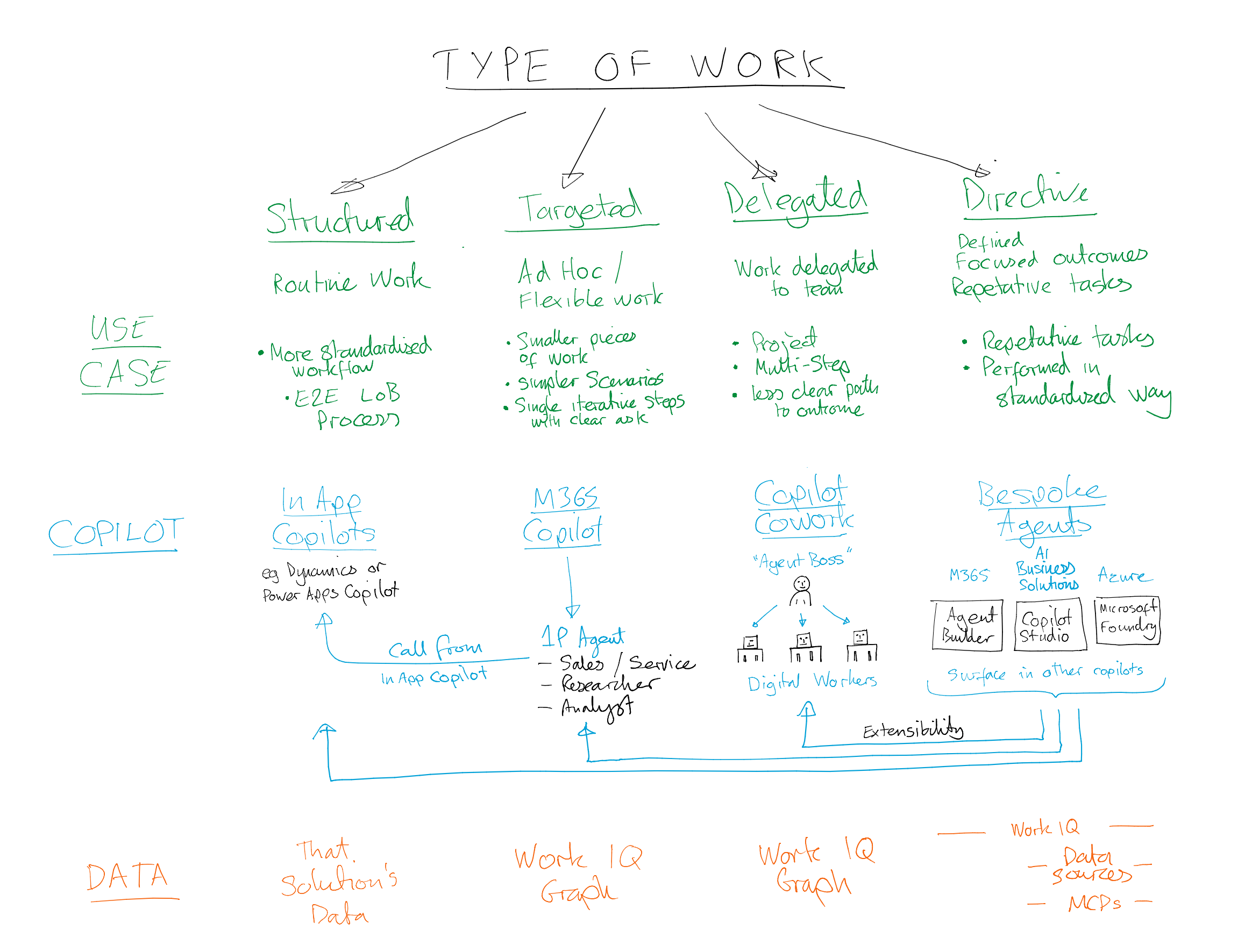
Copilots in the Flow of Work - But when?
There are an increasing number of Copilots with varying capabilities and strengths and surfaced in different areas of the Microsoft platform.
This post provides a simplified view of these and explains how they are used ‘in the flow of work' - Structured, Targeted, Delegated, Directive.
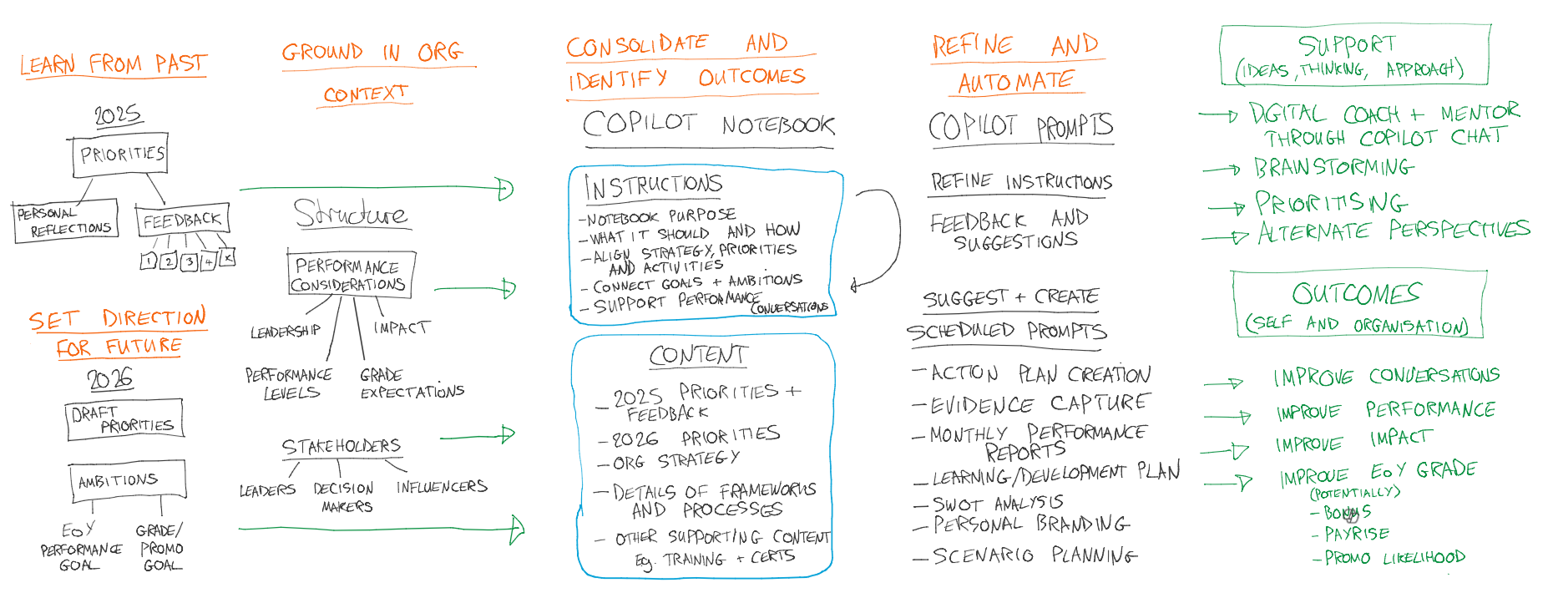
Using M365 Copilot on your 2026 Objectives
How do we use M365 Copilot to take the learning from last year, bring them together with my goals and ambitions for this year, and maximise the value and impact I deliver through my priorities and objectives?
Let’s experiment with M365 Copilot to get ready for 2026, to maximise our impact and achieve our goals!

Copilots governance model v1
This post builds on my last one describing the risk anatomy of an AI use case. It takes that way of describing the risk of a use case and builds a scalable governance model and standards around it to balance that mitigation of risk with enablement of people to achieve value!

Risk Anatomy of an AI Use Case v1
How might we describe the risk associated with a use case that uses a single, or multiple, AI ‘units’. I started by trying to break down different parts of an AI Use Case. This post starts to explore that challenge!

Power Platform solution hacked?
Unexpected data was found in a data source associated with a Power Platform solution… Bug in the system? Hackers?
How did it get there? How can we mitigate it and ensure that in this, and our other solutions, we’re using the right design patterns to protect our data and processes?
In this post I’ll explore what happened and how it can be mitigated!

Dissecting Copilot Agents
We’ve heard of Copilot… A LOT! over the last year or so but there’s another flavour of it that’s arrived… The Agent… This may conjure up images of James Bond… Or Agent Smith from the Matrix… And in reality they’re kinda a combination of the two… but a bit friendlier than Agent Smith! They’re here to help us be EVEN MORE effective!
I've broken down the key components and described how I currently understand them to work with an example of how this could be used in the real world. come and have a read!
The most valuable capability in an AI-rich world is not access to knowledge, but the ability to develop and exercise judgement.
Mentors, coaches, communities and orchestrated agents are all different mechanisms for building judgement, trust and capability at scale.